
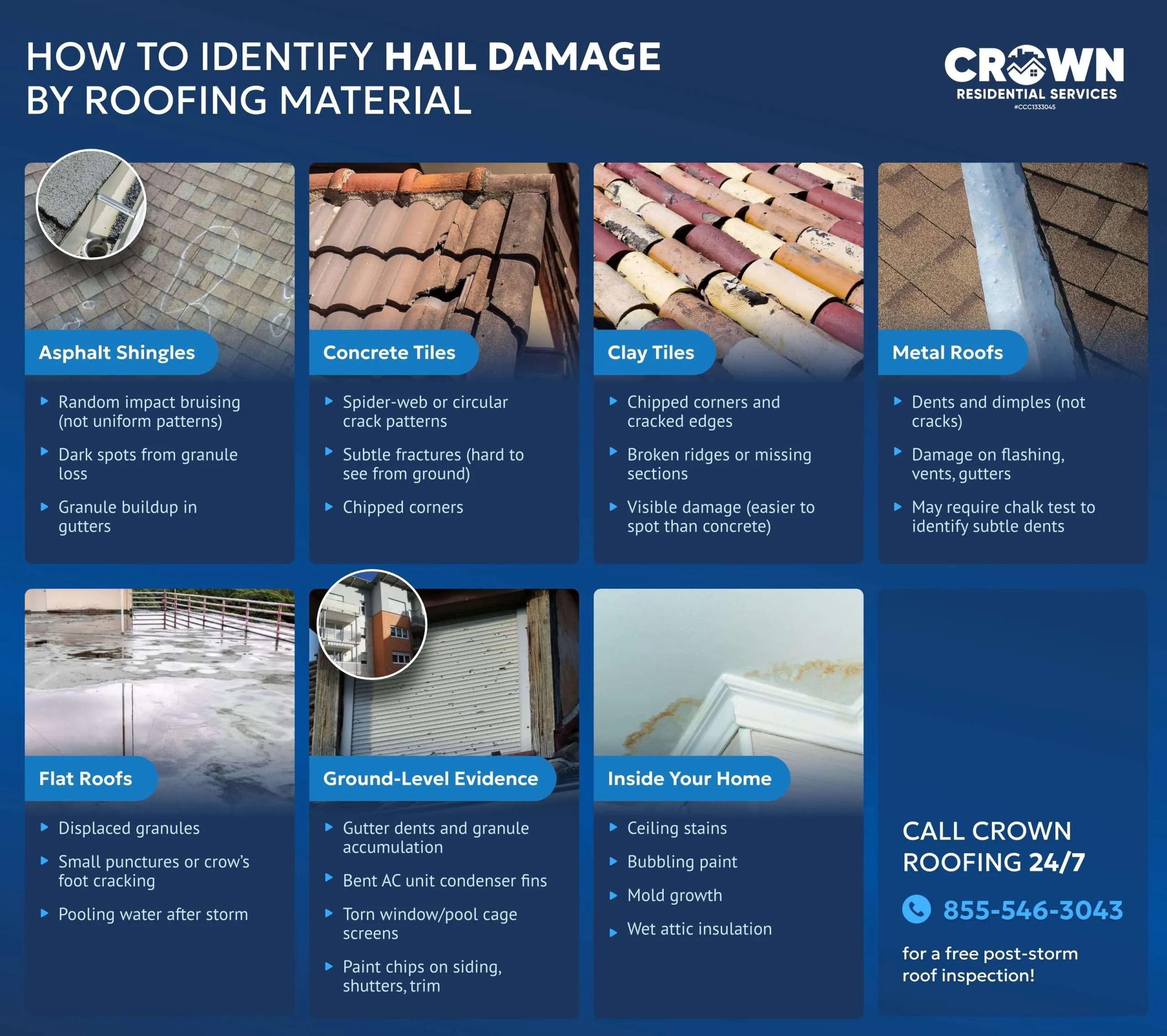
In this guide, you’ll learn what hail damage looks like on Florida’s most common roofing materials, how to tell if your roof may have been affected, and what steps to take in the days immediately following a hail storm.
How to Identify Hail Damage on Each Type of Roof
Before looking at specific roofing materials, one reminder is worth repeating: don’t climb onto your roof after a storm. The signs below can help you understand what inspectors look for and what evidence may be visible from the ground.
Asphalt Shingles
When homeowners ask what hail damage looks like on a roof, asphalt shingles are usually the first material that comes to mind.
The most common sign is random impact bruising. The word random matters because hail does not create neat patterns. Each hailstone strikes independently, leaving scattered damage across the roof surface. Uniform wear patterns are more often associated with aging, foot traffic, or manufacturing defects.
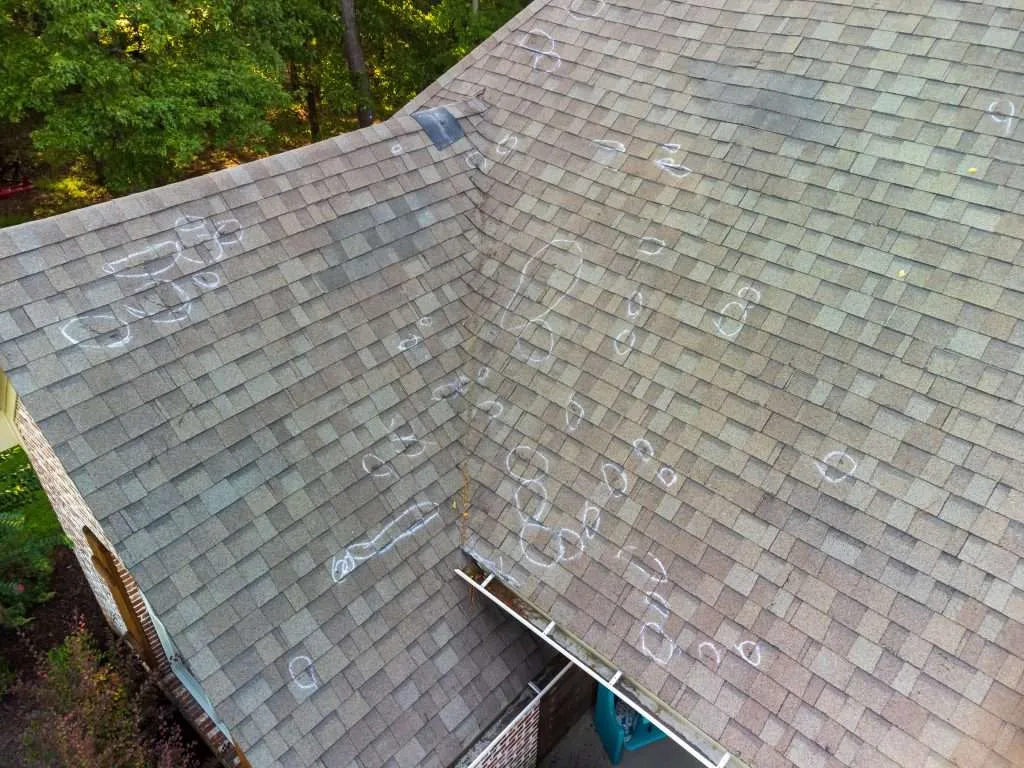
Roof hail damage with marked spots where repairs are needed.
Granule loss is another key indicator. The granules on a shingle protect the asphalt beneath from UV exposure. When hail knocks those granules loose, dark spots begin to appear where the underlying material is exposed.
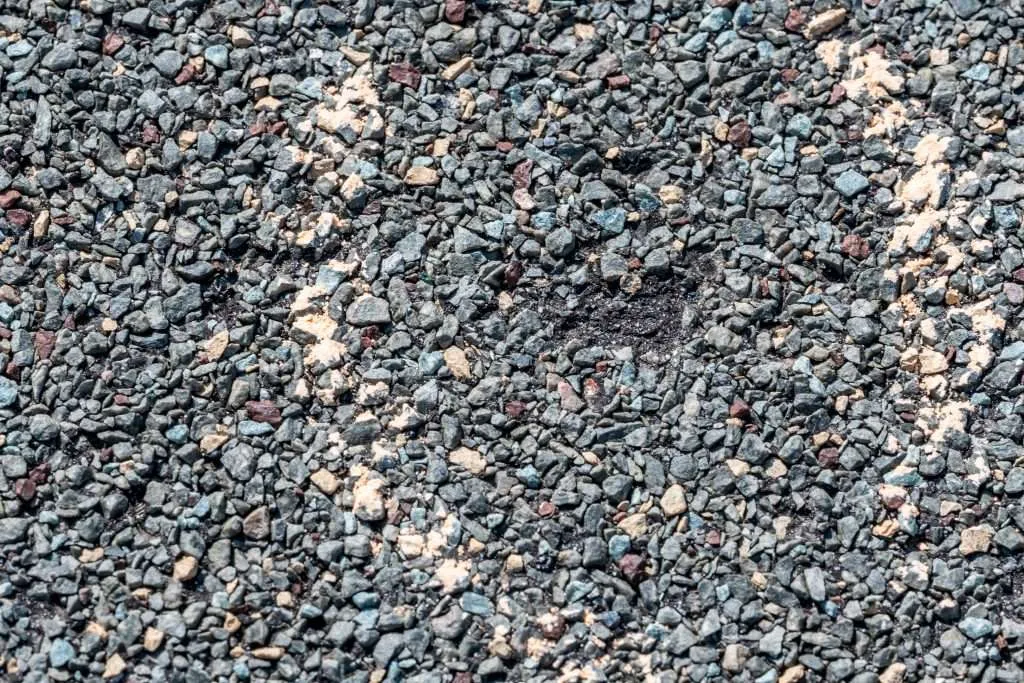
Close up of hail damage on a shingle residential roof circled with a chalk outline during a home inspection.
One of the easiest signs to spot from the ground is granule accumulation in gutters and downspouts. If you notice excessive buildup near splash blocks or discharge areas after a storm, your roof may have experienced impact damage.
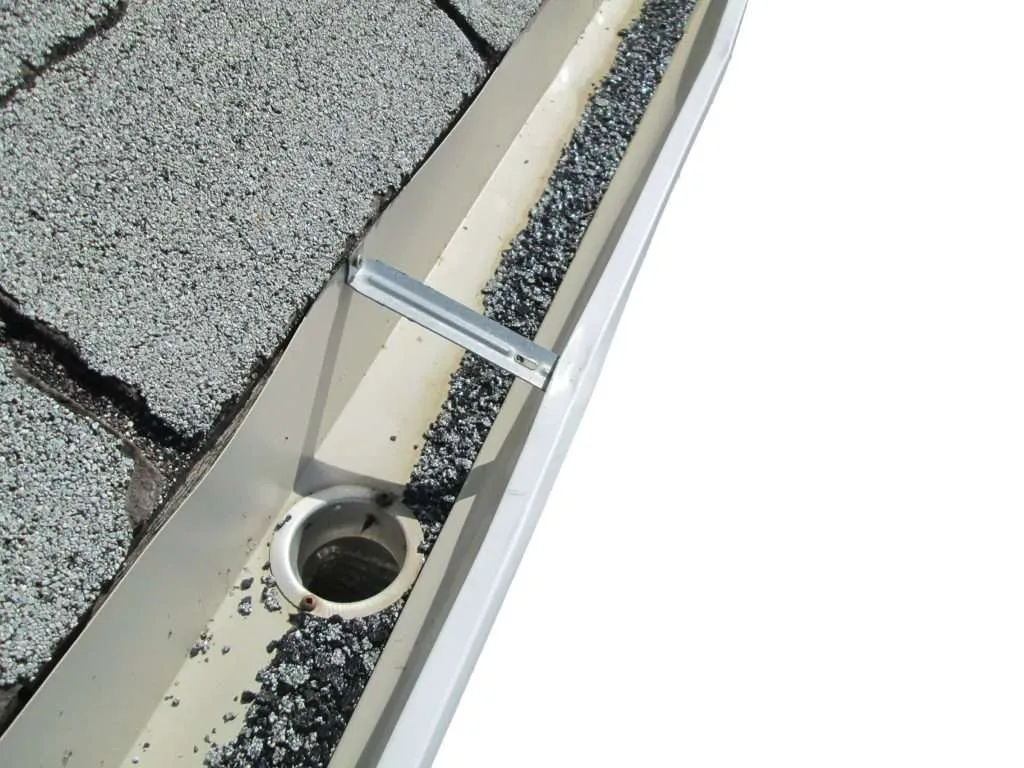
Asphalt granules clogging gutter after hail damage.
Professional inspectors also check for bruising beneath the surface. A damaged shingle often feels soft, similar to a bruised apple. Because this requires direct roof access and experience, it’s best left to trained professionals.
Most Florida homes now use architectural shingles rather than older three tab products. These laminated shingles are more impact resistant and better suited for Florida weather, but they are not immune to hail damage.
Concrete Tile
Concrete tile is one of the most common roofing materials in Florida, especially on mid market and luxury homes.
While concrete tile is extremely durable, it can still be damaged by hail. Instead of breaking apart completely, tiles often develop subtle impact fractures that are difficult to identify without a close inspection.

A grey and orange concrete tile roof with broken and chipped tiles.
One of the clearest indicators is a circular crack pattern radiating from the impact point. Inspectors often describe these as spider web cracks or concentric semi circles. These patterns help distinguish hail damage from normal aging. The challenge is that many of these cracks are difficult to see from the ground. A roof can appear perfectly intact while damage is spread across multiple slopes. The crack itself is not always the biggest concern. The real risk is what happens underneath. Once a tile is compromised, water can reach the underlayment that serves as the roof’s primary waterproofing layer.
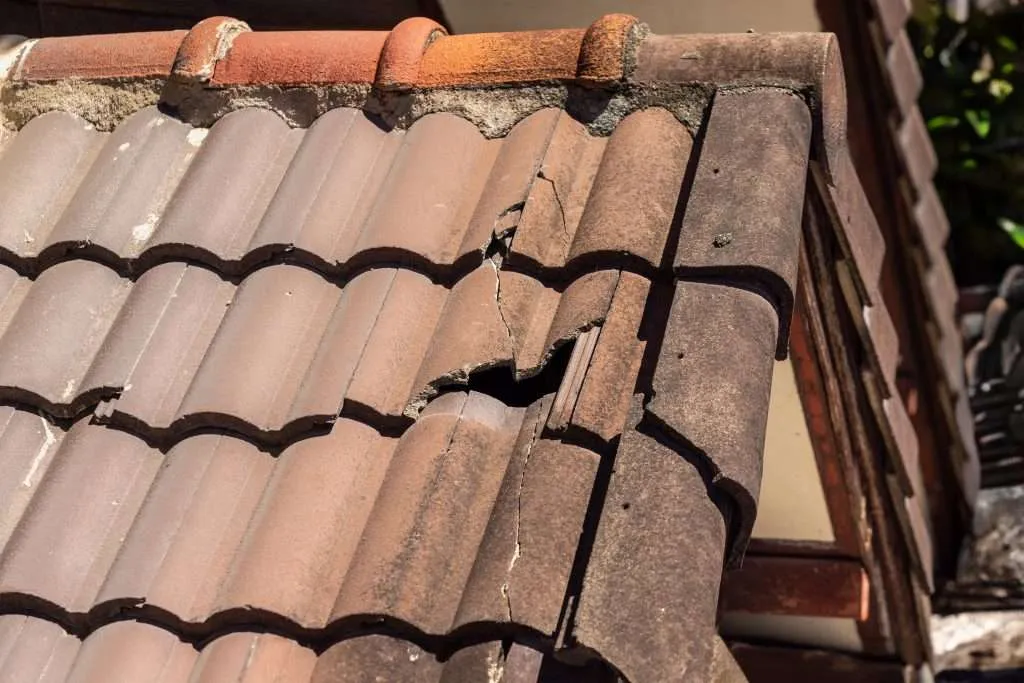
Light colored concrete tiles with radiating cracks and chips from hail damage.
A single cracked tile is rarely enough to support a major insurance claim. Widespread random impact damage across multiple roof sections is a different story. That’s why inspectors often follow Haag Engineering standards to distinguish hail strikes from foot traffic, fallen debris, or maintenance related damage.
Tile color can also affect visibility. Lighter colors tend to show impacts more clearly, while darker tiles often require close inspection or high resolution imagery to identify damage.
Clay Tile
Clay tile roofs are common throughout Sarasota, Naples, Palm Beach, and other luxury Florida markets.
Compared to concrete tile, clay is generally more brittle. Hailstones as small as a quarter can chip, crack, or fracture individual tiles.
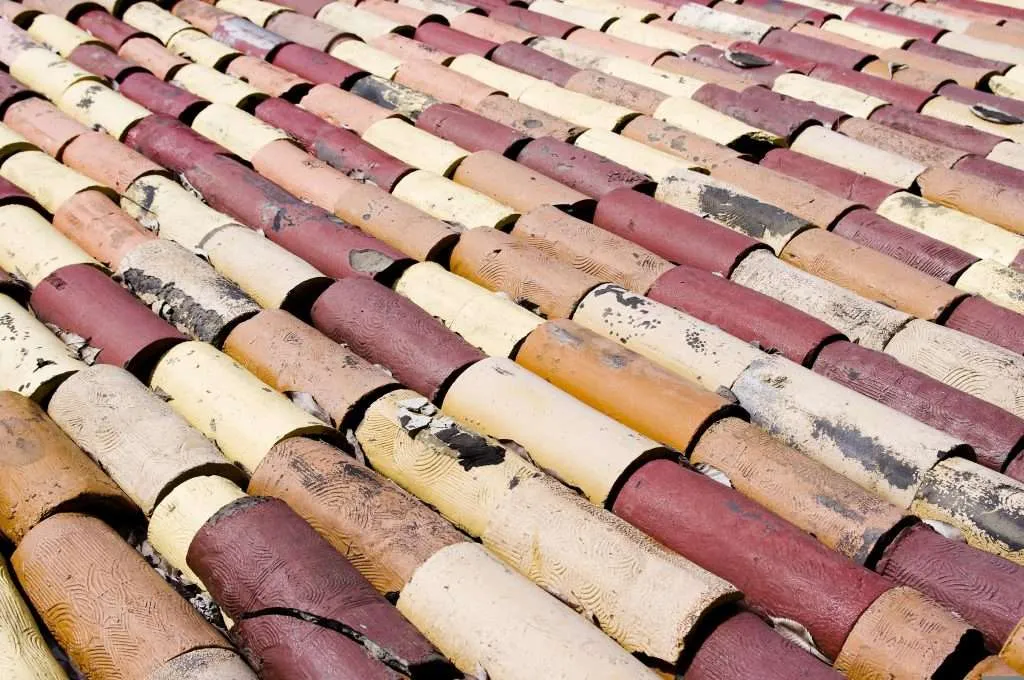
Decorative tiles cracked, chipped, and broken by hail stones.
Damage is often easier to spot than on concrete roofs. Look for chipped corners, cracked edges, broken ridges, missing sections, or shattered tiles. Severe impacts can expose the underlayment beneath and create pathways for water intrusion.
For many homeowners, appearance matters almost as much as performance. Clay tiles can be difficult to match years after installation because colors fade, manufacturing processes change, and certain product lines are discontinued.
As a result, replacing a handful of damaged tiles doesn’t always restore the roof’s original appearance. This can become an important consideration during the insurance process.
Metal Roofs
Metal roofing continues to gain popularity across Florida, particularly in storm recovery markets throughout Southwest Florida.
When homeowners ask how metal roofs hold up to hail, the answer is generally very well. However, hail can still leave visible damage. Unlike shingles or tile, hail damage on metal roofs usually appears as dents and dimples rather than cracks. Some impacts are obvious, while others can be difficult to spot without specialized inspection techniques.
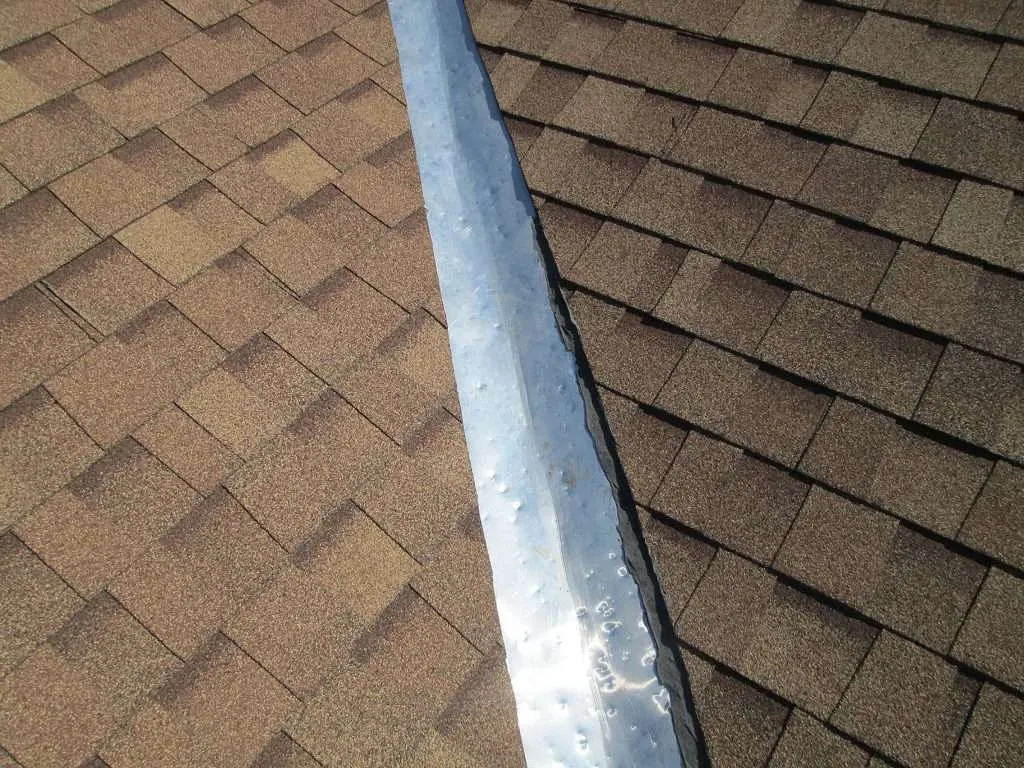
An asphalt roof’s metal valley that has visible hail dents.
One common method is the chalk test. By applying chalk across a panel, inspectors can identify subtle dents that may not be visible under normal lighting conditions.
It’s also important to inspect softer metal components such as flashing, vents, gutters, and downspouts. These elements often show impact damage before the primary roof panels do.
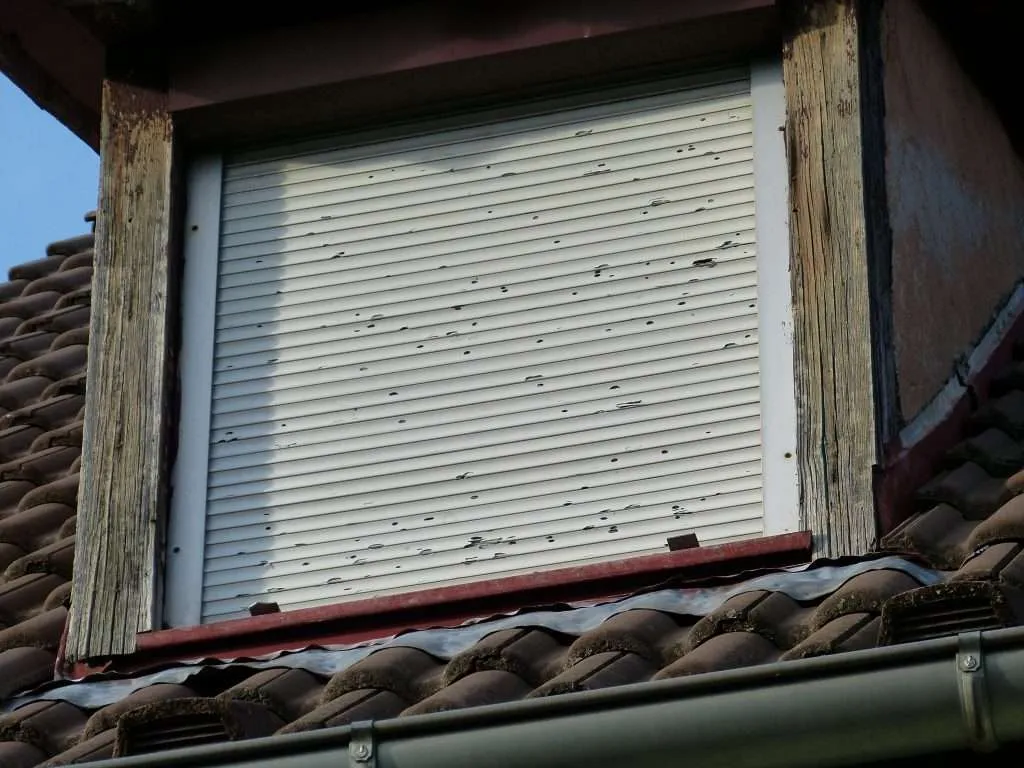
Metal storm shutters show signs of horizontally blown hail and potential roof damage.
The biggest question is often whether the damage is cosmetic or functional. While many dents do not affect water shedding performance, they can reduce curb appeal and impact property value. Coverage for cosmetic damage varies by insurance policy, making thorough documentation especially important.
Modified Bitumen and Flat Roofs
Many Florida homes include flat roof sections over lanais, additions, garages, and architectural features. Commercial buildings often rely on flat roofing systems almost entirely.
These roofs can be some of the most difficult to evaluate after a hailstorm.
Modified bitumen roofs rarely show dramatic impact damage. Instead, inspectors look for displaced granules, small punctures, crow’s foot cracking, concentric impact patterns, and subtle membrane fractures.

A flat roof with ponding water is a sign of hail damage underneath.
Pooling water can also be a warning sign. If a flat roof begins holding water after a storm, the membrane or underlying structure may have sustained impact related damage.
For both homeowners and property managers, early detection is critical. Even minor hail damage can eventually affect insulation, interior finishes, and building systems if left unaddressed.
How Can You Tell If Your Roof Has Hail Damage Without Getting on the Roof?
The honest answer is that you usually can’t confirm roof damage from the ground alone. What you can do is look for supporting evidence throughout the rest of your property.
Hail rarely damages just one thing. The same storm that impacts your roof often leaves clues on gutters, screens, air conditioning units, landscaping, and other exposed surfaces. When several of those clues appear together, they can provide a strong indication that your roof was affected as well.
Start With Your Gutters
Gutters are often the easiest place to spot hail activity.
Look for dents along the front face of the gutter, impact marks near the top edge, or damage to downspouts. If your home has an asphalt shingle roof, pay attention to granule buildup as well. After a hailstorm, dislodged granules frequently wash into the gutter system and collect near splash blocks or discharge points.
While gutter damage doesn’t confirm roof damage, it can be one of the strongest early warning signs.
Check Other Exterior Surfaces
Your roof isn’t the only part of the home exposed during a hailstorm.
Take a close look at your outdoor air conditioning unit. The aluminum condenser fins surrounding the unit dent easily and often show impacts before roofing materials reveal visible damage. Bent fins, dented panels, and concentrated impact marks are all worth documenting.

Apartment building shows signs of hail damage on exterior walls and window shutters.
Next, inspect window screens, pool enclosures, lanais, siding, garage doors, shutters, fascia boards, and painted trim. Torn screen mesh, fresh paint chips, exposed wood, cracks, and small circular impact marks can all indicate hail activity.
For Florida homeowners, pool cages are especially useful indicators. Torn or punctured screen panels often appear immediately after a hailstorm and may signal that the roof experienced similar impacts.
Look at the Landscaping
Your yard can reveal a surprising amount about the severity of a storm. Shredded leaves, stripped branches, damaged flower beds, bruised plants, and flattened landscaping don’t prove roof damage, but they help establish that conditions were severe enough to affect the property. Combined with other signs, landscaping damage becomes another piece of the overall puzzle.
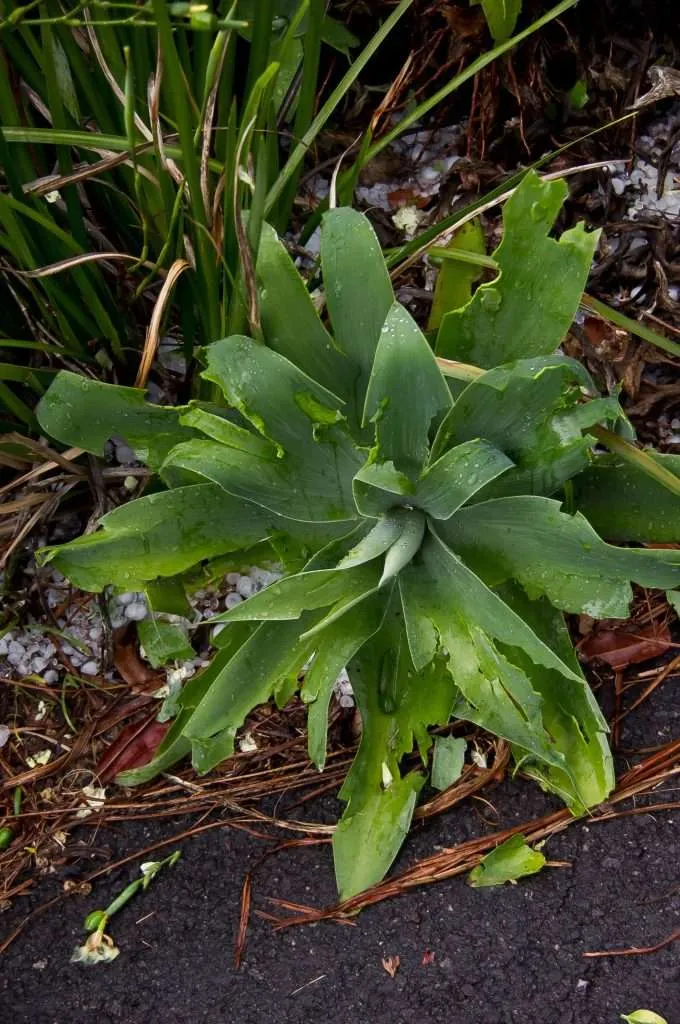
A hosta with ripped leaves from hail damage.
Don’t Ignore Interior Warning Signs
Sometimes the first indication of roof damage appears inside the home. New ceiling stains, bubbling paint, damp drywall, mold growth, wet attic insulation, or musty odors can all indicate that water has entered the building. The challenge is that these symptoms often appear weeks or months after the storm itself.
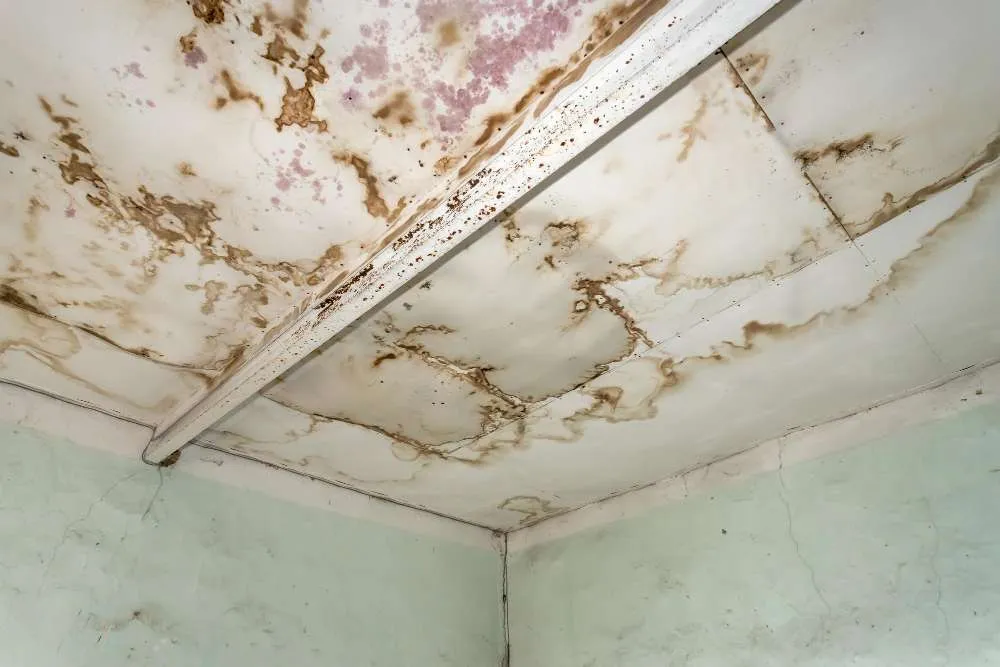
Water damage stains appearing on interior roof with mold growth setting in.
That’s why early documentation matters. The sooner potential damage is identified, the easier it becomes to connect it to a specific weather event.
Document What You Find
If you suspect hail damage, start building a record immediately.
Take photographs of damaged gutters, screens, air conditioning units, landscaping, and any signs of water intrusion inside the home. Write down the date of the storm, the approximate time, and anything unusual you observed.
Professional storm damage evaluators can often compare that information with National Weather Service storm reports and historical weather data to verify hail activity in your area.
Stay Off the Roof
If there’s one takeaway from this guide, it’s this: don’t climb onto your roof after a hailstorm.
The safety risk alone isn’t worth it. Walking on damaged shingles or cracked tile can also create additional damage that wasn’t there before, making repairs and insurance documentation more complicated.
The goal isn’t to prove that your roof has hail damage on your own. The goal is to determine whether there’s enough evidence to justify a professional inspection.
Why Is Hail Damage Is Different in Florida?
Most articles about roof hail damage focus on asphalt shingles because they’re the dominant roofing material across much of the country. Florida is different. Across Sarasota, Naples, Tampa, Fort Myers, Boca Raton, and Miami, you’ll find concrete tile, clay tile, metal roofing, and architectural shingles. Each material responds to hail differently and shows damage in its own way.
Florida storms are different too. Many of the state’s most significant hail events occur along the I-4 corridor, including Tampa, Lakeland, Orlando, and surrounding communities. South Florida and Southwest Florida also experience damaging hail during severe thunderstorms and on the leading edge of tropical weather systems. Unlike hail in many parts of the country, Florida hail is often accompanied by strong winds. Instead of falling straight down, hail can strike roof edges, flashing, vents, gutters, and one side of a home more heavily than another.
Insurance considerations add another layer of urgency. Many Florida homeowners are already familiar with the 15-Year Roof Rule, which affects how insurers evaluate older roofs for coverage, renewal, and replacement requirements. Even minor hail damage can accelerate deterioration over time. What begins as a small crack or impact mark today can become a much larger issue years later. That’s why documentation matters. The best time to identify hail damage is immediately after a storm, not after a leak appears months down the road.
Florida’s “25% Rule” and What It Means for Hail Damage Claims
One of the biggest questions Florida homeowners ask after a hailstorm is simple: how much hail damage does it take to replace a roof?
The honest answer depends on the roof, the policy, the code history, and the actual damage percentage.
For years, Florida homeowners heard about the “25% Rule.” Under the Florida Building Code, if more than 25% of a roof area or roof section was repaired, replaced, or recovered within a 12-month period, the entire roof section often had to be brought up to current code. For many storm claims, that meant a partial repair could become a much larger roof replacement conversation.
Florida law later created an important exception. Under Florida Statute § 553.844, if 25% or more of your roof requires repair, only the damaged or repaired portion may need to be constructed to the current Florida Building Code. To qualify for that exception, the existing roofing system or roof section must have been built, repaired, or replaced in compliance with the 2007 Florida Building Code or a later edition.
If your roof qualifies under the newer rule, widespread hail damage may still lead to a major repair or replacement scope, but the law may not automatically require the entire roof to be brought up to current code. If your roof does not qualify, the older 25% threshold can still become a major factor in the claim.
This is why proper damage assessment matters so much. A rushed inspection can miss hail impacts, a vague estimate can misstate the affected area, and an incomplete photo set can leave too much room for disagreement once the insurance adjuster determines the damage percentage.
One transparent note: this is general guidance, not legal advice. The final outcome depends on your policy language, roof age, installation history, code compliance, and actual damage percentage. Crown documents what we find. Your insurance adjuster and policy determine the final coverage decision.
How Crown’s Storm Damage Evaluations Work
After a hailstorm, the worst answer a homeowner can get is a guess.
Crown’s storm damage evaluations are designed to replace guesswork with clear documentation.
Crown’s storm damage evaluators review the roof by slope and document visible impact areas with photographic evidence. Images are organized with measurement scale, roof location, and impact-point analysis so homeowners can understand what was found and why it matters.
You receive a digital report in writing. The report is readable, organized, and formatted in a way that aligns with the type of documentation insurance adjusters are used to reviewing.
For active leaks, Crown provides 24/7 emergency response and same-day scheduling whenever possible. Fast action matters because water intrusion can move quickly from a roof issue to damaged insulation, stained ceilings, mold, and structural decay.
FAQs About Identifying Hail Damage in Florida
How long after a storm can I file a hail damage claim in Florida?
Under Florida Statute § 627.70132, Florida homeowners generally have one year from the date of loss to file an initial property insurance claim and 18 months to file a supplemental claim. For weather-related claims, the date of loss is tied to the verified storm event date, not the date the damage is discovered.
Are concrete tile roofs hail-resistant?
Concrete tile is dense and impact-tolerant, but it is not immune to hail damage. Quarter-sized hail or larger can chip corners, create circular spider-web cracks, and allow water to reach the underlayment beneath the tile.
Do metal roofs hold up to hail in Florida?
Most quality metal roofs perform well during hailstorms, but ratings do not make a roof damage-proof. Dents and dimples can occur, and cosmetic dent coverage varies by policy. Florida HVHZ-rated metal roofs are tested heavily for wind and wind-driven rain performance, while hail impact is a separate concern.
Will my insurance pay for a full roof replacement after hail damage in Florida?
It depends on the age of the roof, the percentage of damage, the policy language, and whether the roof qualifies under Florida’s post-SB 4-D code exception. Independent inspection and accurate damage measurement are critical because the documented damage percentage can shape the repair or replacement discussion.
Why can’t I check my roof for hail damage myself?
One of the biggest misconceptions about roofing hail damage is that it should be obvious. Usually, it isn’t. If a hurricane tears shingles off a roof, you’ll see it immediately. Hail damage is often far more subtle.
On asphalt shingles, hail commonly removes protective granules without creating a visible hole. From the ground, the roof may appear perfectly normal. Over time, however, those exposed areas deteriorate faster under Florida’s intense sun, eventually leading to cracking and water intrusion.
Tile roofs present a different challenge. Hail often creates small fractures that are difficult or impossible to see from the ground. A tile can appear intact while still allowing moisture to reach the underlayment below.
This is why homeowners should avoid climbing onto the roof after a storm. Beyond the safety risk, walking on damaged shingles or tile can make existing damage worse and complicate insurance documentation.
Instead, professional inspectors rely on technology to see what homeowners can’t. Storm damage evaluators can identify impact points, cracked tiles, granule loss, damaged flashing, and other storm related issues safely and accurately. For homeowners wondering how to tell if their roof has hail damage, that’s often the difference between guessing and knowing.
Get Crown On It
Crown Roofing provides 24/7 emergency roof repairs in Florida to make sure short term damage does not become a long term problem. Our teams support homeowners, landlords, property managers, and commercial owners with emergency stabilization, drone powered inspections, photographic documentation, and clear next steps.
Crown serves Florida through four main hubs in Tampa, Fort Myers, Pompano Beach, and Sarasota. You can call any time of day to leave a message, or call during office hours from 8 am to 6 pm to get scheduled as soon as possible.
